The tides are lined up for a good Golden Gate exit & entry on Saturday,
October 17, 2026, for a sail to the Farallon Islands and back.
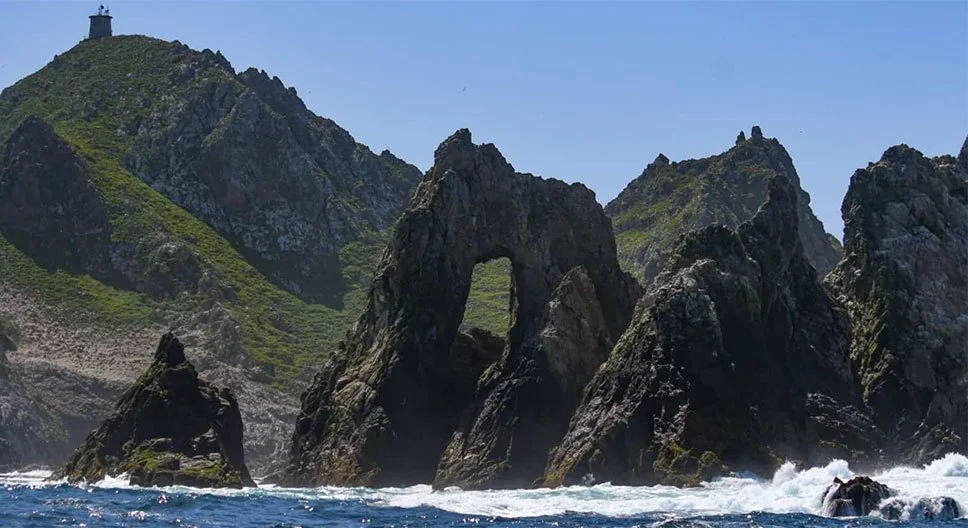
The Farallon Islands rise dramatically out of the Pacific Ocean, made of rugged granite bedrock and separated from the mainland for more than 10,000 years. © Michael Pierson
This is our annual (most years, anyway :) safety-in-numbers voyaging event. (BAMA adventures) It's a day to experience sailing out to the rocks without the pressures of racing. If you haven't taken your boat that far out on the ocean yet, this is our best event in supporting your effort. You'll be traveling alongside other BAMA boats that have been out to the Farallones many times.
The fall Farallones trip is not a race. We purposefully throttle back faster boats so the group stays relatively together, and we're close to each other in case of an emergency. It's also comforting for new ocean crew to see other BAMA boats nearby.
Your boat should be prepared for an ocean trip, following the ocean racing safety gear guidance. But we will not check or inspect anyone. Each skipper is fully responsible for their boat & crew's safety.
Plan on getting your boat to Alcatraz Island (we meet in the lee of the island) at 8:30 am, Saturday, Oct. 17. The total distance, including how close to the Farallones we go, will be decided by the day's weather, with the goal of getting everyone back to the Golden Gate by around 6 pm, with docking at most marinas before dark.
Consider this the 'save the date' notice. Soon the details will go up on jibeset, and everyone will be asked to sign up there. Stay tuned for another email.
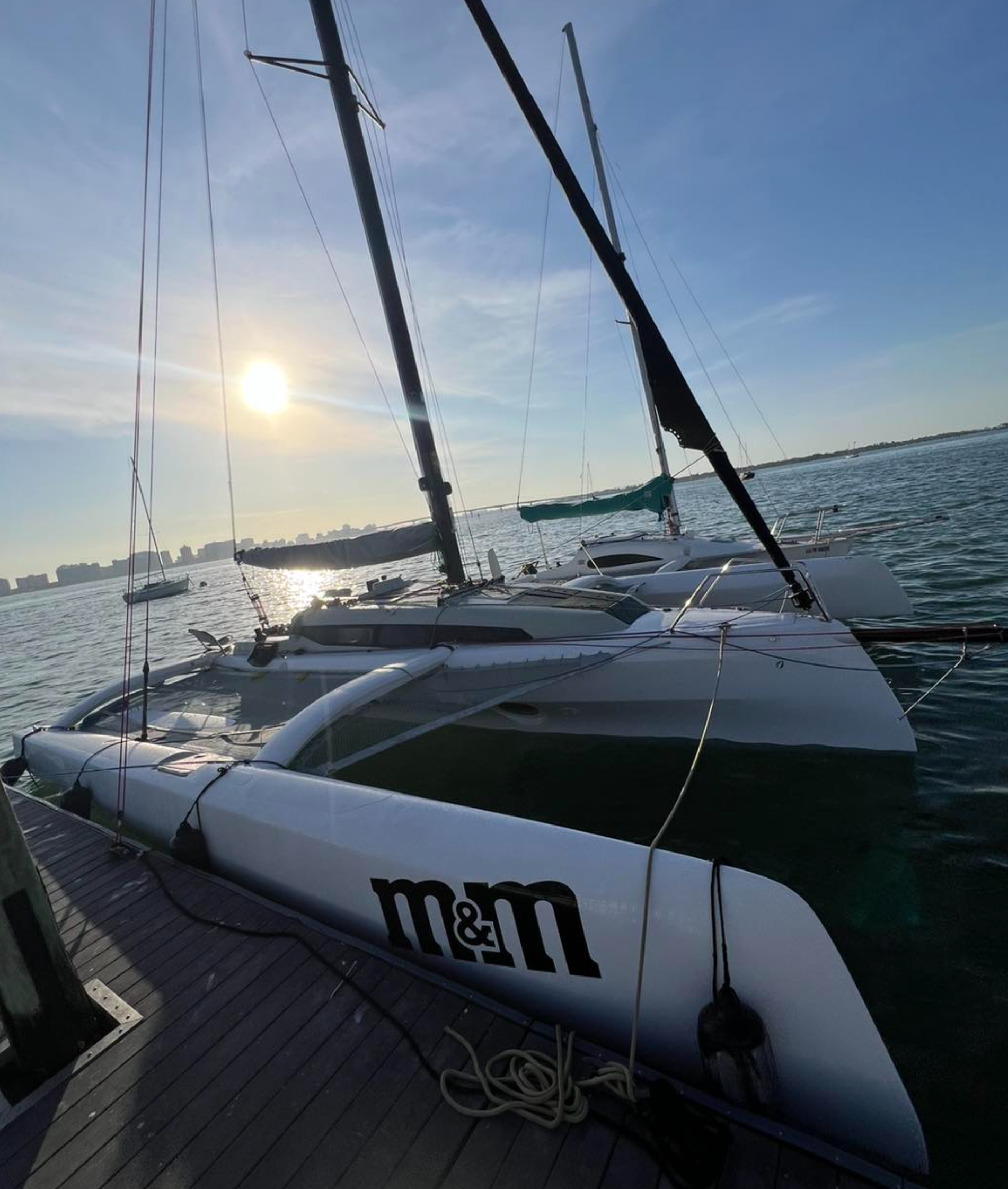
If you'd like to sail as crew that day on another boat, I've got room for you aboard F39 Ravenswing, and I believe there may be spots open on both Explorer 44s, Caliente & Round Midnight. Email back to me via cartersboat@gmail.com if you're looking for a ride that day. It's been a few years since I've visited the Farallones, so this is an exciting day to circle on my calendar. That's a special place out there, and fall is generally a mellow time to visit. Yes, we'll probably be burning extra gasoline that day. But maybe the wind gods will grant us a bit of a spinnaker run home :)
-Greg Carter for BAMA adventures
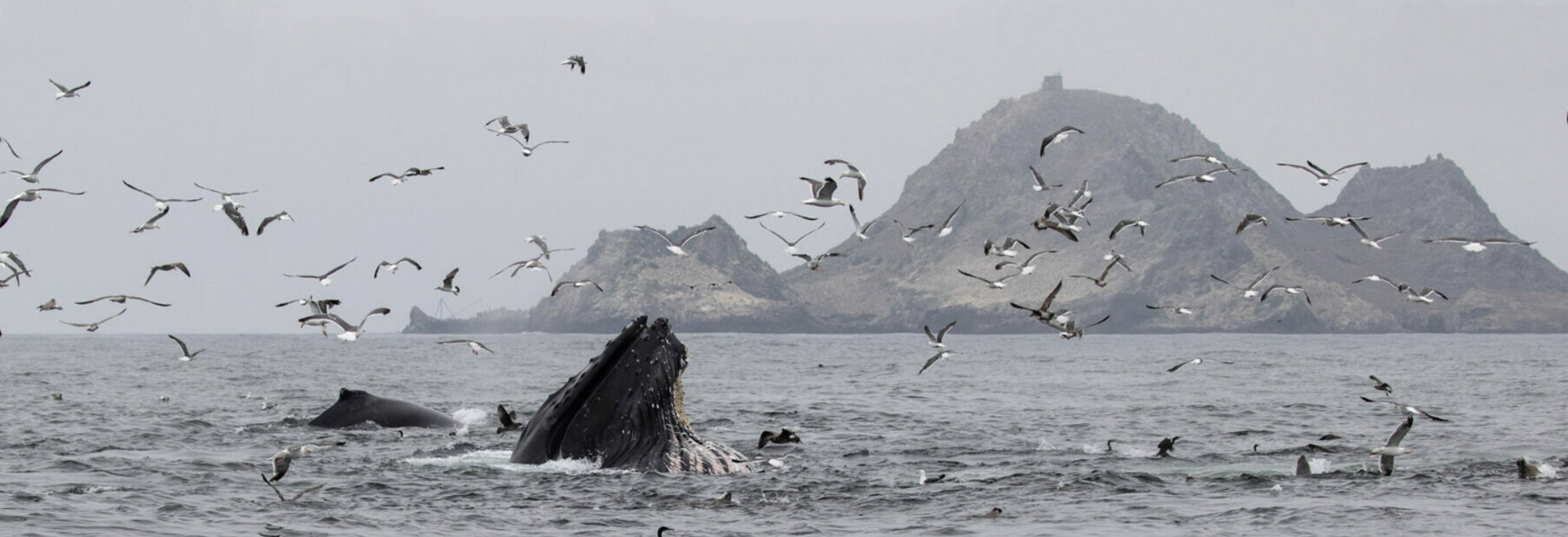
A wide range of marine species are drawn to the food-rich waters surrounding the Farallon Islands, including abundant humpback whales and seabirds. © Chris Biertuempfel
Location of the Farallon Islands Geography and Geology
Located about 27 miles west of San Francisco, California, the Farallon Islands are a grouping of islands and sea stacks that make up a National Wildlife Refuge. These rocky islands offer a relatively safe resting place for animals, as they are far enough offshore yet close to major food sources. The chain includes 7 islands and totals about 211 acres. Made of granite bedrock believed to originate in the southern Sierra Nevada, the islands have been separated from the mainland for over 10,000 years.
The islands sit along well-traveled wildlife migratory routes and are surrounded by productive, food-rich waters due to unique oceanography, described in detail below. Thanks to this combination of factors, cetaceans, pinnipeds, fish, sharks, turtles, invertebrates, and a variety of seabirds can all be found on and around the islands.
Currents and Upwelling
The Farallon Islands are positioned amid the California Current, a strong current of cool water originating in British Columbia, Canada and flowing south to the southern tip of Baja California Sur, Mexico. In addition, the region’s strong, sustained northwest winds contribute to upwelling, a process by which deeper, colder water is pulled upward toward the surface, bringing nutrients along with it. Together, these two processes create a highly productive and diverse food web that attracts wildlife to the area.
The Farallon Islands support an abundance of wildlife above and below the surface, but it wasn’t always this way. Through intensive exploitation of wildlife, from gray whales to fur seals to Common Murre eggs, European and Russian colonists nearly wiped out many of the species that are now thriving on and around the Farallon Islands. Thanks to dedicated conservation efforts over several decades, many species have rebounded from the brink of extinction, and the islands have been restored to a more natural state.
In the following sections, we'll explore the incredible and diverse wildlife that inhabit the Farallon Islands and the surrounding waters that encompass the Greater Farallones National Marine Sanctuary.
Marine Mammals — Cetaceans (Whales, Dolphins, Porpoises)
Marine mammals of all kinds can be found near the Farallones due to the area’s food rich waters and the availability of haul out areas for seals and sea lions. Thirty-six species of marine mammals can be found in the Greater Farallones—we’ll explore some of the most abundant and noteworthy ones here!
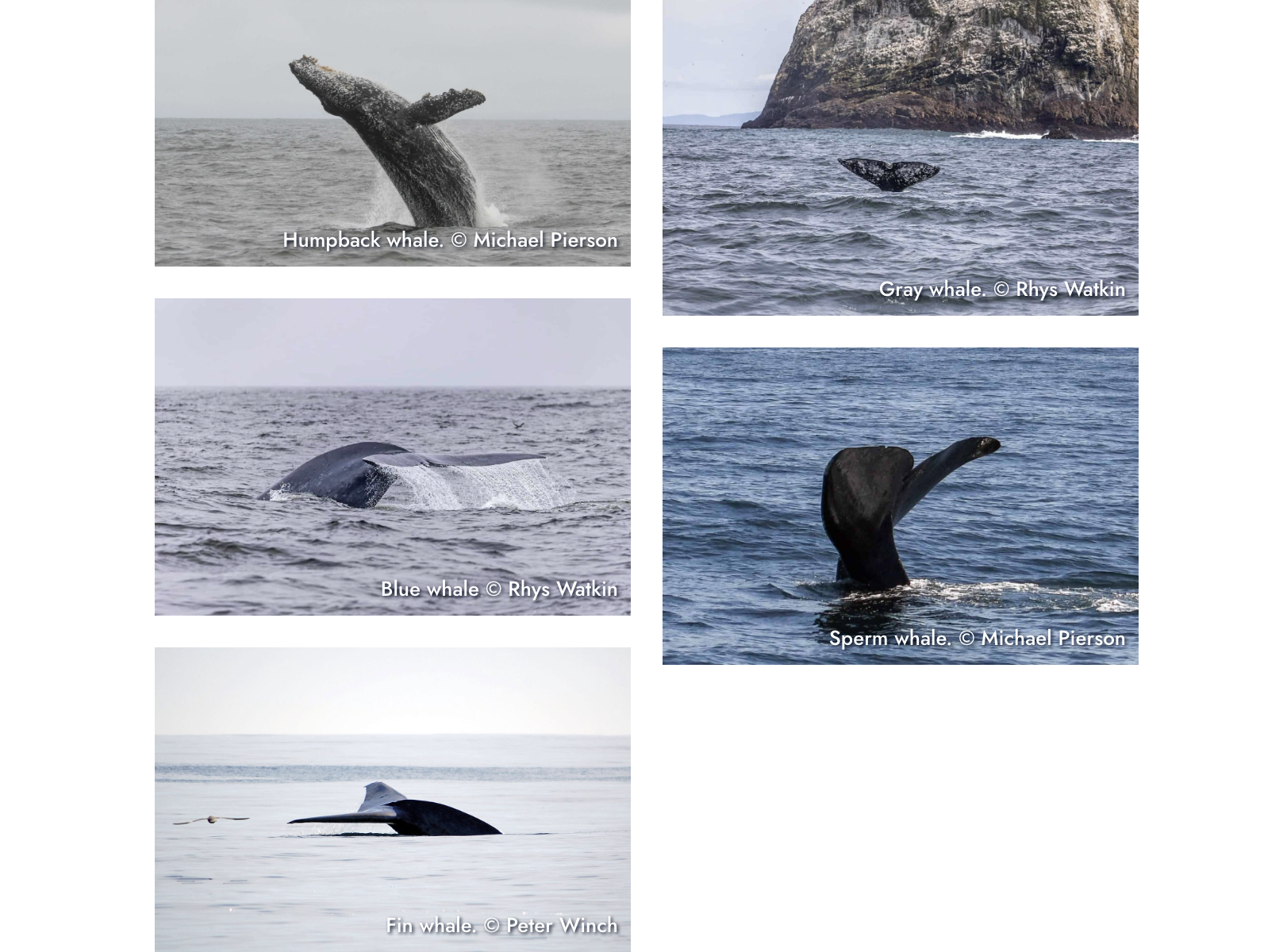
Most famously, humpback whales are frequent in the area, which is considered a critical feeding habitat for the species. From spring through late fall, whales feed in the Sanctuary before traveling south to warmer waters for mating and calving purposes. Humpbacks are especially fun to spot, as they are known for being charismatic acrobats. Whale watchers often get to enjoy humpbacks lunge feeding, breaching, slapping their pectoral flippers and more!
BAMA Adventure Sailing / Day Sailing & Cruising
From day sailing destinations in the San Francisco Bay, to great spots in the Delta, to nearby offshore destinations, there are many great places to explore from your multihull in and around the San Francisco Bay Area. Check out the following recommendations from BAMA Club Members and contribute a write-up of your own.
Learn more >>